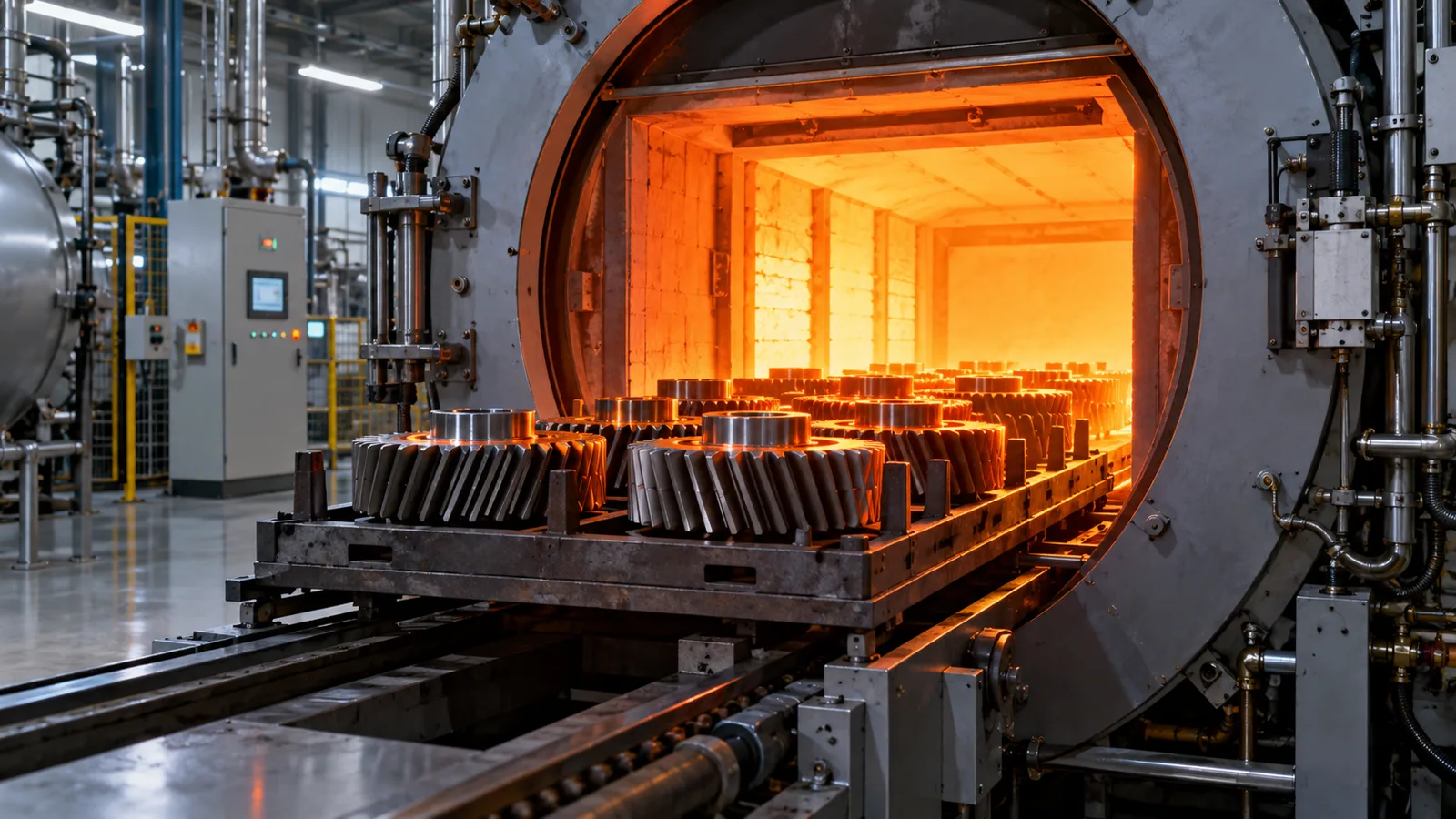
Case Hardening
Case hardening is a controlled treatment for suitable steels that increases surface hardness while preserving a comparatively tough core. It is commonly considered for gears, shafts, pins and wear parts where the surface and core perform different duties.
Typical benefits
Improved surface wear resistance, contact-fatigue performance and service durability.
Applications and quality control
Suitable applications are confirmed during job review. Controls may include documented cycle planning, temperature and atmosphere monitoring, hardness testing, metallurgical examination, traceability and final verification as required.
Discuss Case Hardening →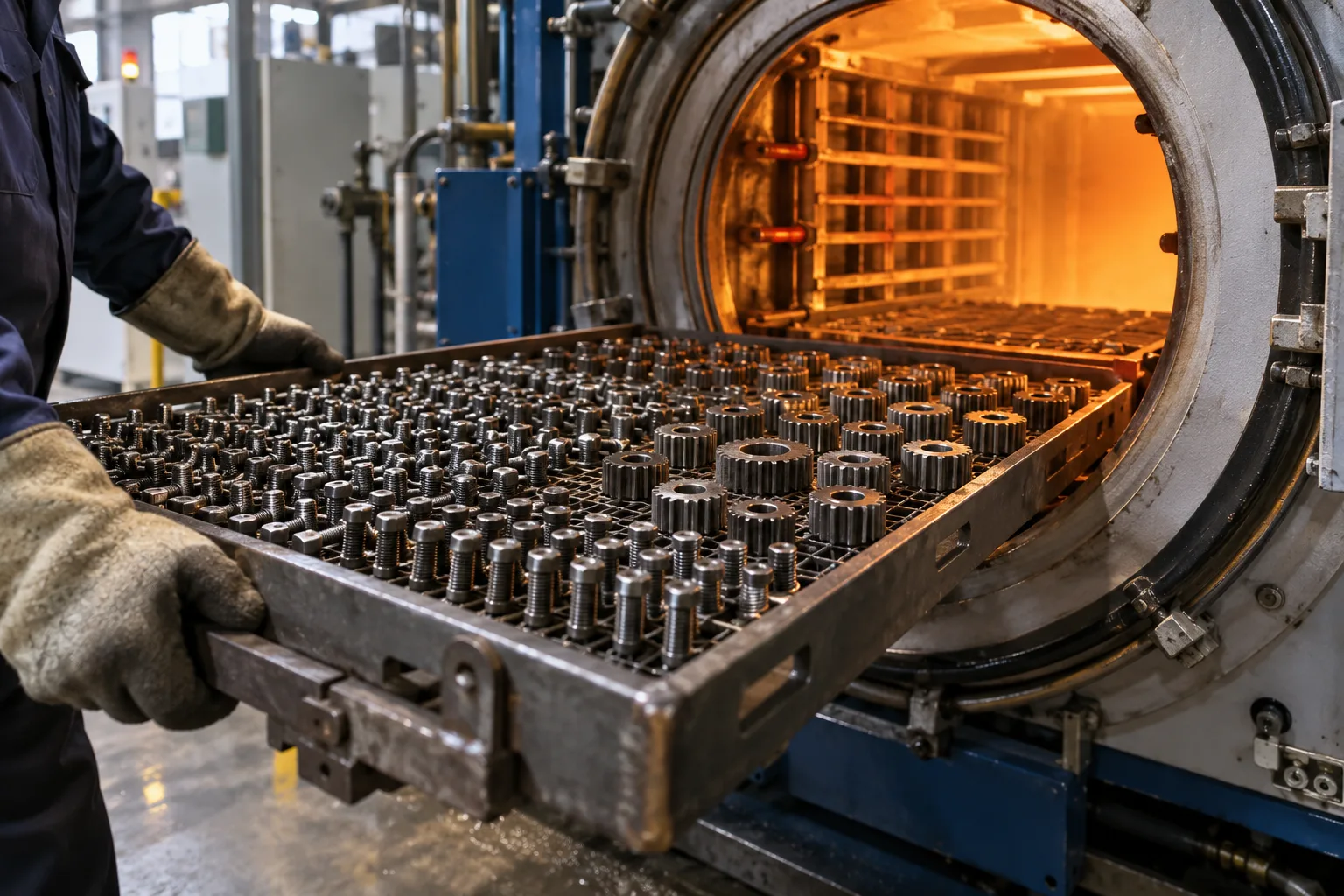
Carbonitriding
Carbonitriding enriches the surface of suitable steels with carbon and nitrogen before quenching. Material grade, geometry, required case depth and hardness are reviewed before the process is selected.
Typical benefits
A hard, wear-resistant surface for smaller precision parts and selected automotive or machine components.
Applications and quality control
Suitable applications are confirmed during job review. Controls may include documented cycle planning, temperature and atmosphere monitoring, hardness testing, metallurgical examination, traceability and final verification as required.
Discuss Carbonitriding →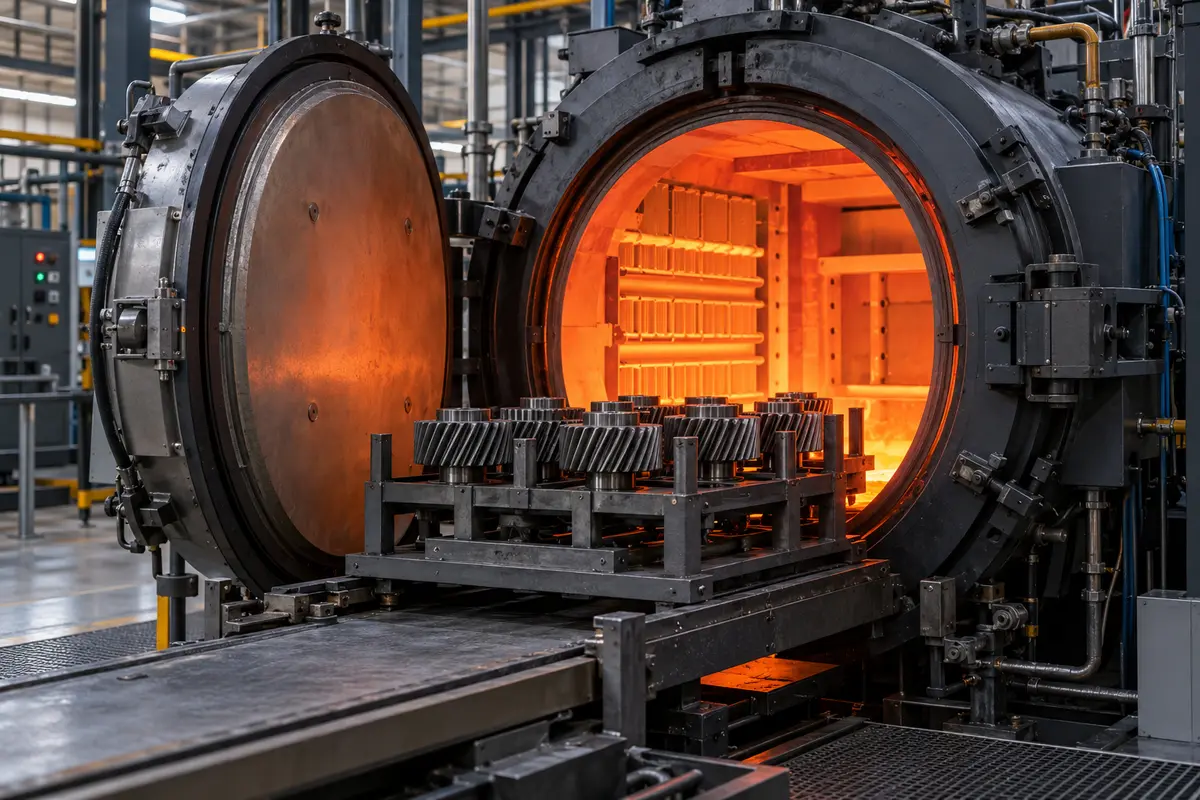
Carburizing
Carburizing raises surface carbon in suitable low-carbon steels using a controlled furnace atmosphere, followed by appropriate quenching and tempering. Process parameters are planned around the drawing and heat-treatment specification.
Typical benefits
High surface hardness and wear resistance with a supportive core.
Applications and quality control
Suitable applications are confirmed during job review. Controls may include documented cycle planning, temperature and atmosphere monitoring, hardness testing, metallurgical examination, traceability and final verification as required.
Discuss Carburizing →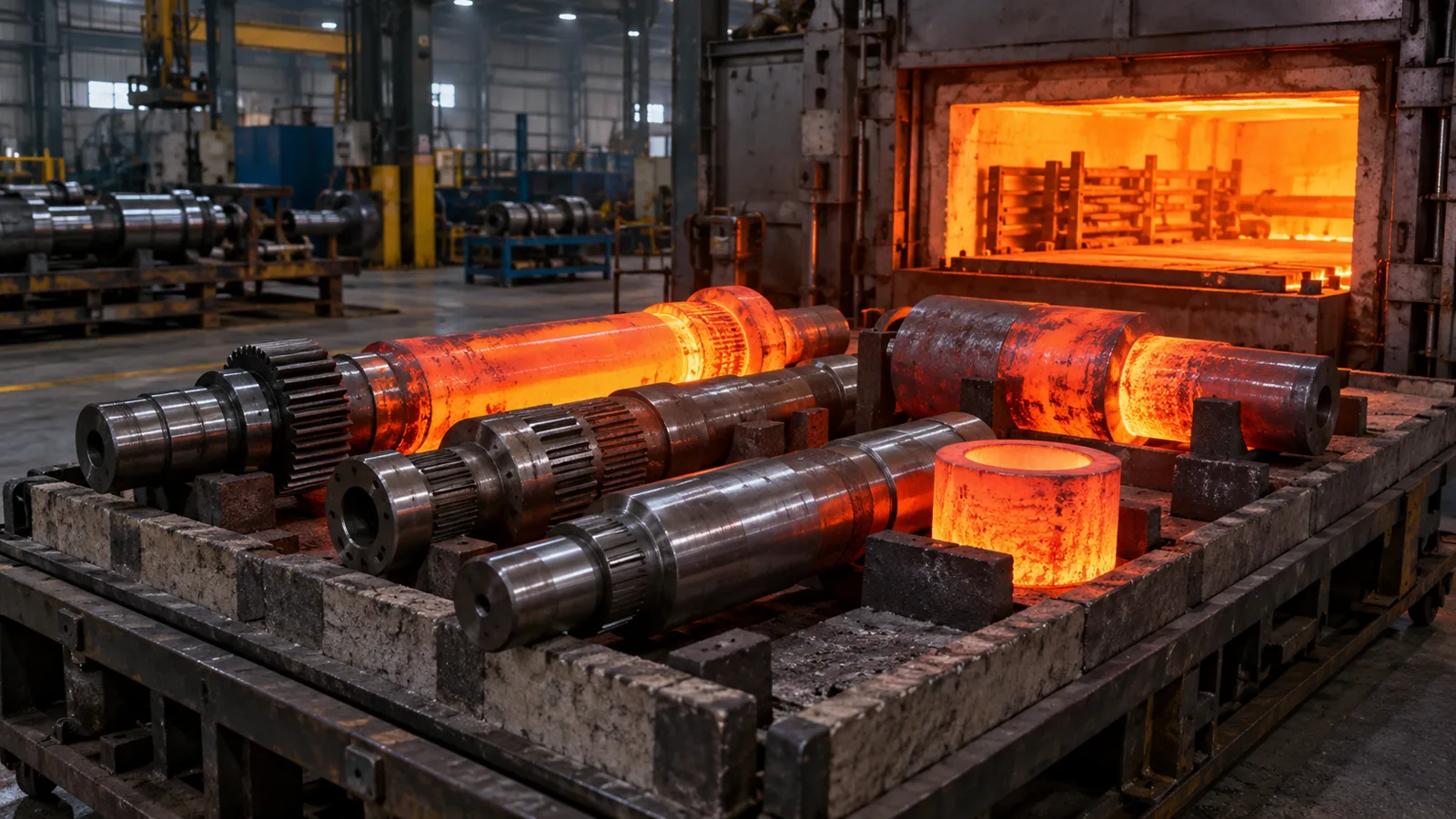
Hardening & Tempering
The component is heated under controlled conditions, quenched using an appropriate medium and tempered to adjust final properties. The cycle depends on material grade, section size, geometry and required hardness.
Typical benefits
A practical balance of hardness, strength, toughness and dimensional control.
Applications and quality control
Suitable applications are confirmed during job review. Controls may include documented cycle planning, temperature and atmosphere monitoring, hardness testing, metallurgical examination, traceability and final verification as required.
Discuss Hardening & Tempering →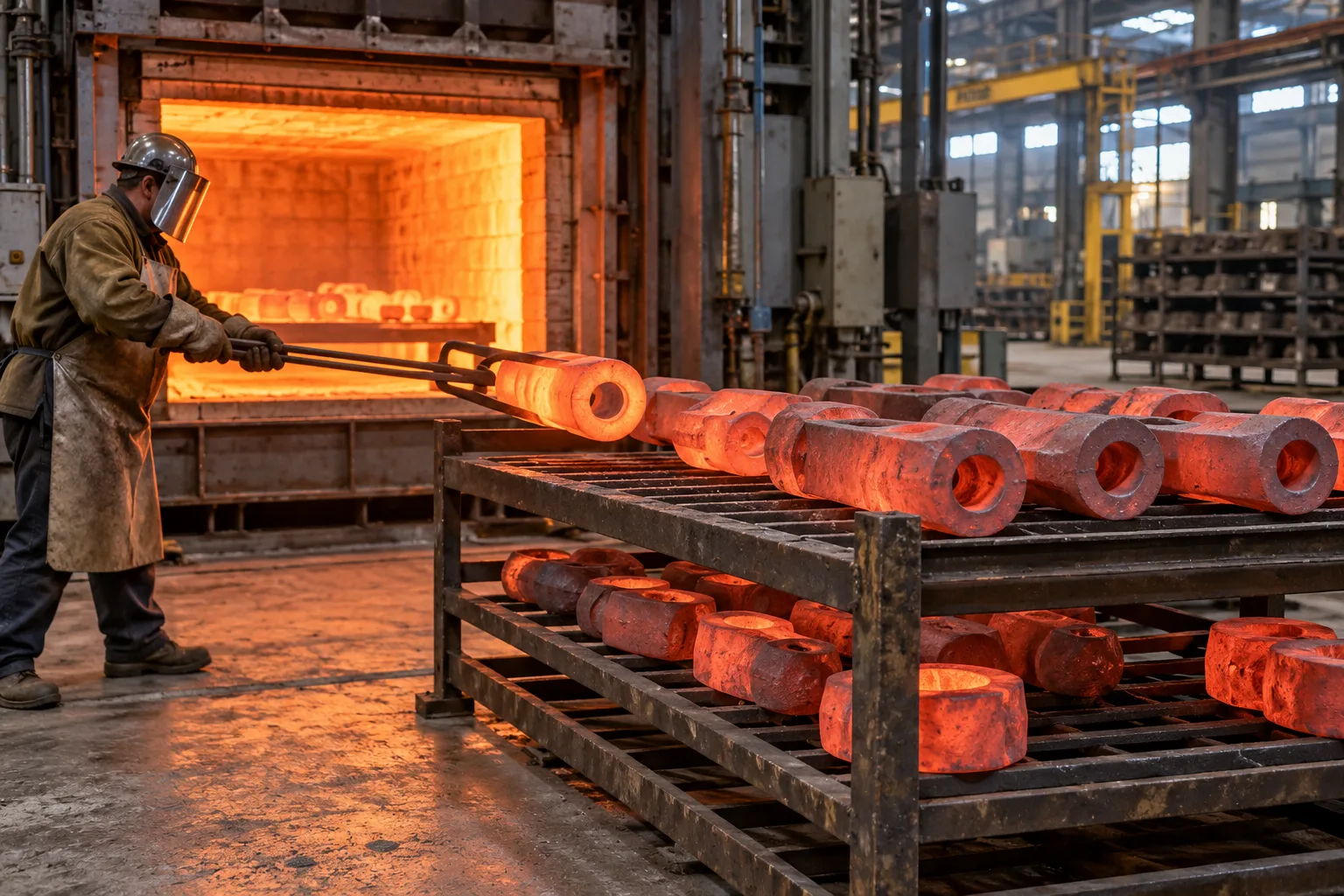
Normalizing
Normalizing heats suitable material above its transformation range before controlled cooling in air. It may be specified to refine grain structure and prepare a component for machining or later treatment.
Typical benefits
More uniform structure, refined grain and improved consistency.
Applications and quality control
Suitable applications are confirmed during job review. Controls may include documented cycle planning, temperature and atmosphere monitoring, hardness testing, metallurgical examination, traceability and final verification as required.
Discuss Normalizing →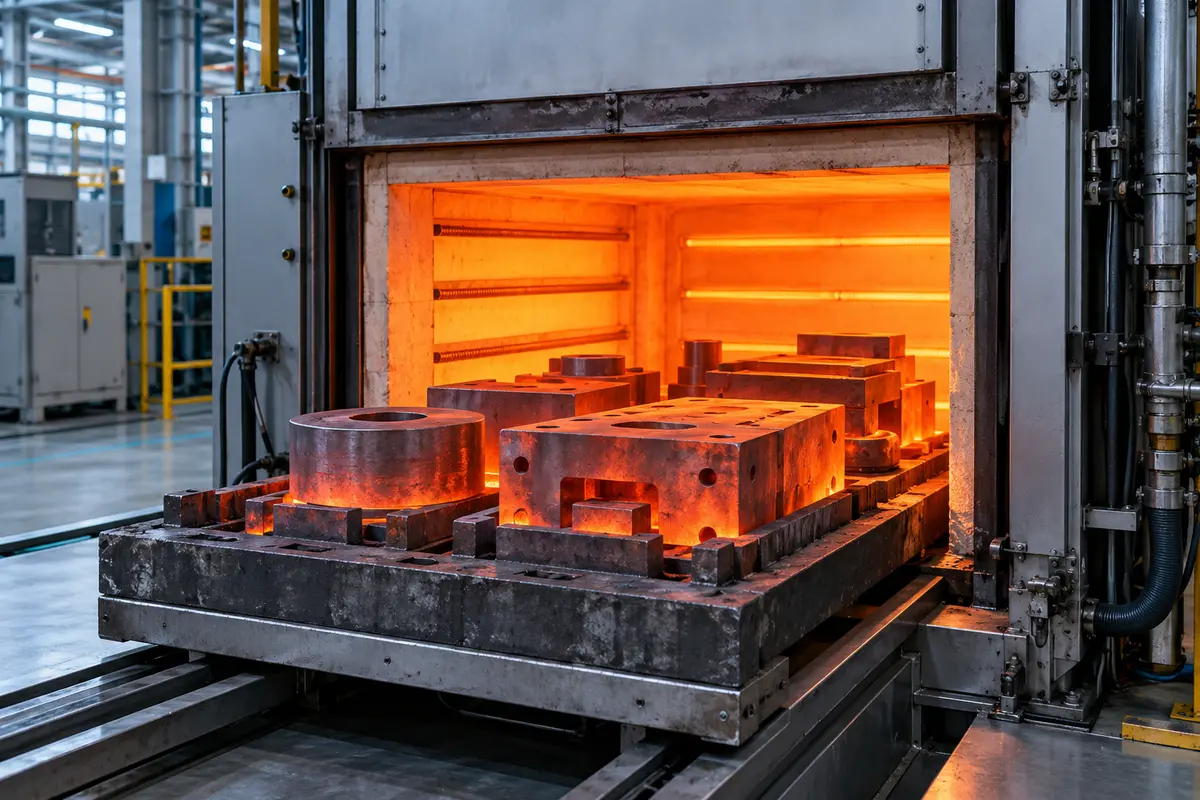
Annealing
Annealing uses controlled heating, soaking and cooling to modify microstructure. The selected cycle depends on the alloy, prior processing and the customer’s required condition.
Typical benefits
Reduced hardness, improved machinability and relief of selected internal stresses.
Applications and quality control
Suitable applications are confirmed during job review. Controls may include documented cycle planning, temperature and atmosphere monitoring, hardness testing, metallurgical examination, traceability and final verification as required.
Discuss Annealing →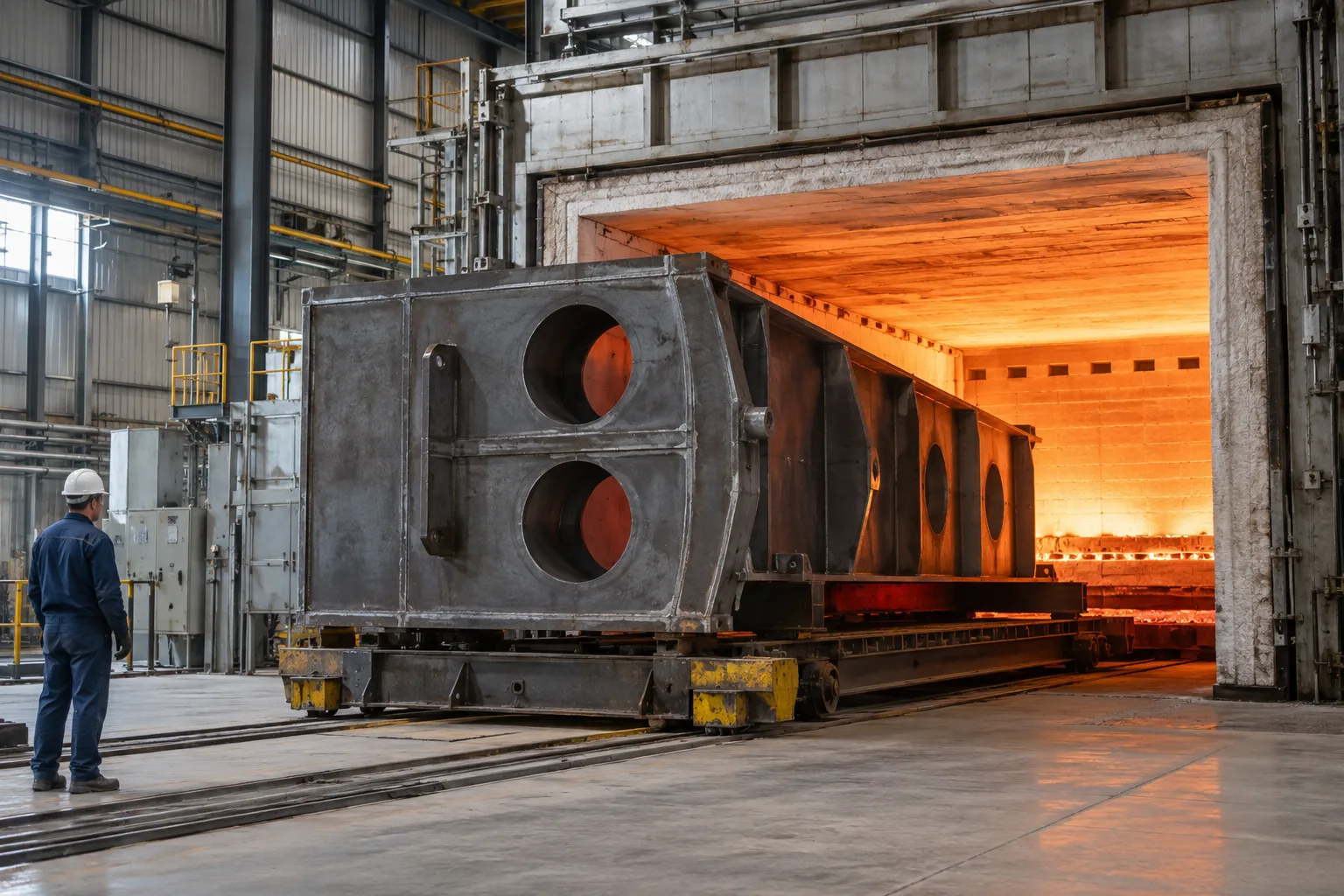
Stress Relieving
Stress relieving holds suitable components at a controlled temperature below the main transformation range, then cools them in a planned manner. It is used where residual stress may affect later machining or service stability.
Typical benefits
Reduced residual stress and improved dimensional stability.
Applications and quality control
Suitable applications are confirmed during job review. Controls may include documented cycle planning, temperature and atmosphere monitoring, hardness testing, metallurgical examination, traceability and final verification as required.
Discuss Stress Relieving →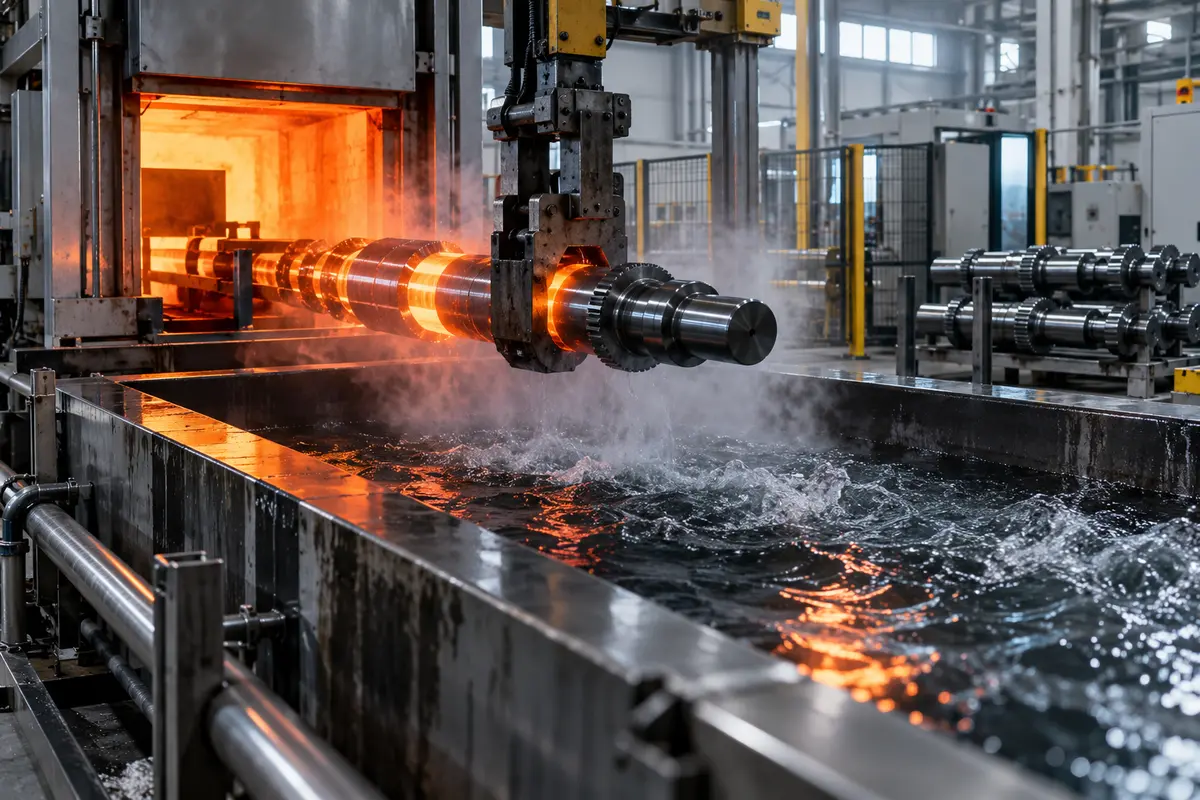
Toughening
Toughening refers to a controlled treatment selected to achieve an appropriate strength–toughness balance. Material grade, component section and customer specification determine the process route.
Typical benefits
Application-specific strength, toughness and service performance.
Applications and quality control
Suitable applications are confirmed during job review. Controls may include documented cycle planning, temperature and atmosphere monitoring, hardness testing, metallurgical examination, traceability and final verification as required.
Discuss Toughening →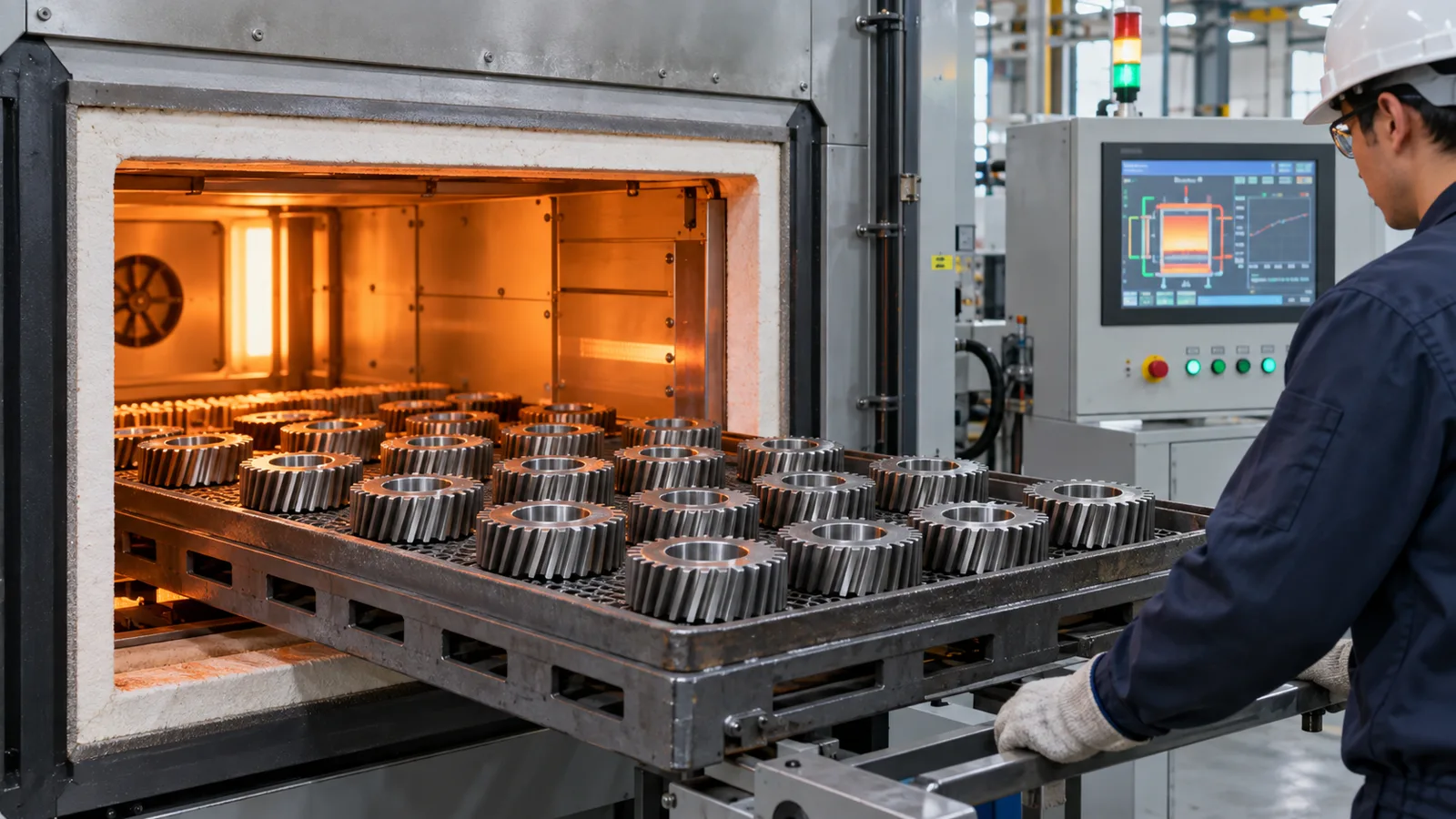
Isothermal Annealing
After controlled heating, suitable material is cooled to and held at a selected transformation temperature. The treatment can promote a predictable, uniform microstructure.
Typical benefits
Consistent microstructure, machinability and predictable downstream response.
Applications and quality control
Suitable applications are confirmed during job review. Controls may include documented cycle planning, temperature and atmosphere monitoring, hardness testing, metallurgical examination, traceability and final verification as required.
Discuss Isothermal Annealing →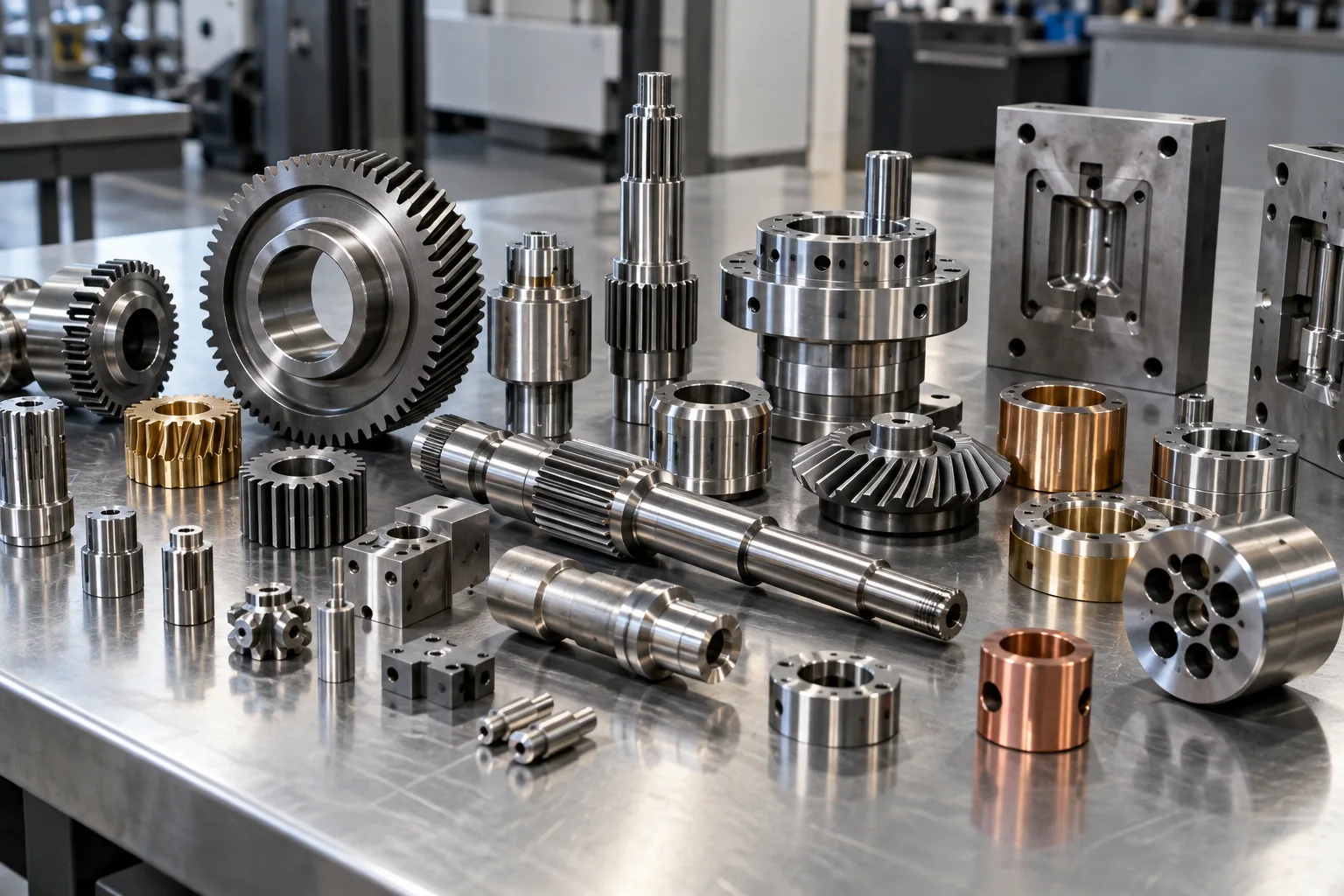
Stabilizing
Stabilizing treatment uses a planned thermal cycle to reduce instability associated with retained stresses or structural changes. Suitability is assessed against material and drawing requirements.
Typical benefits
Improved dimensional stability during subsequent use or machining.
Applications and quality control
Suitable applications are confirmed during job review. Controls may include documented cycle planning, temperature and atmosphere monitoring, hardness testing, metallurgical examination, traceability and final verification as required.
Discuss Stabilizing →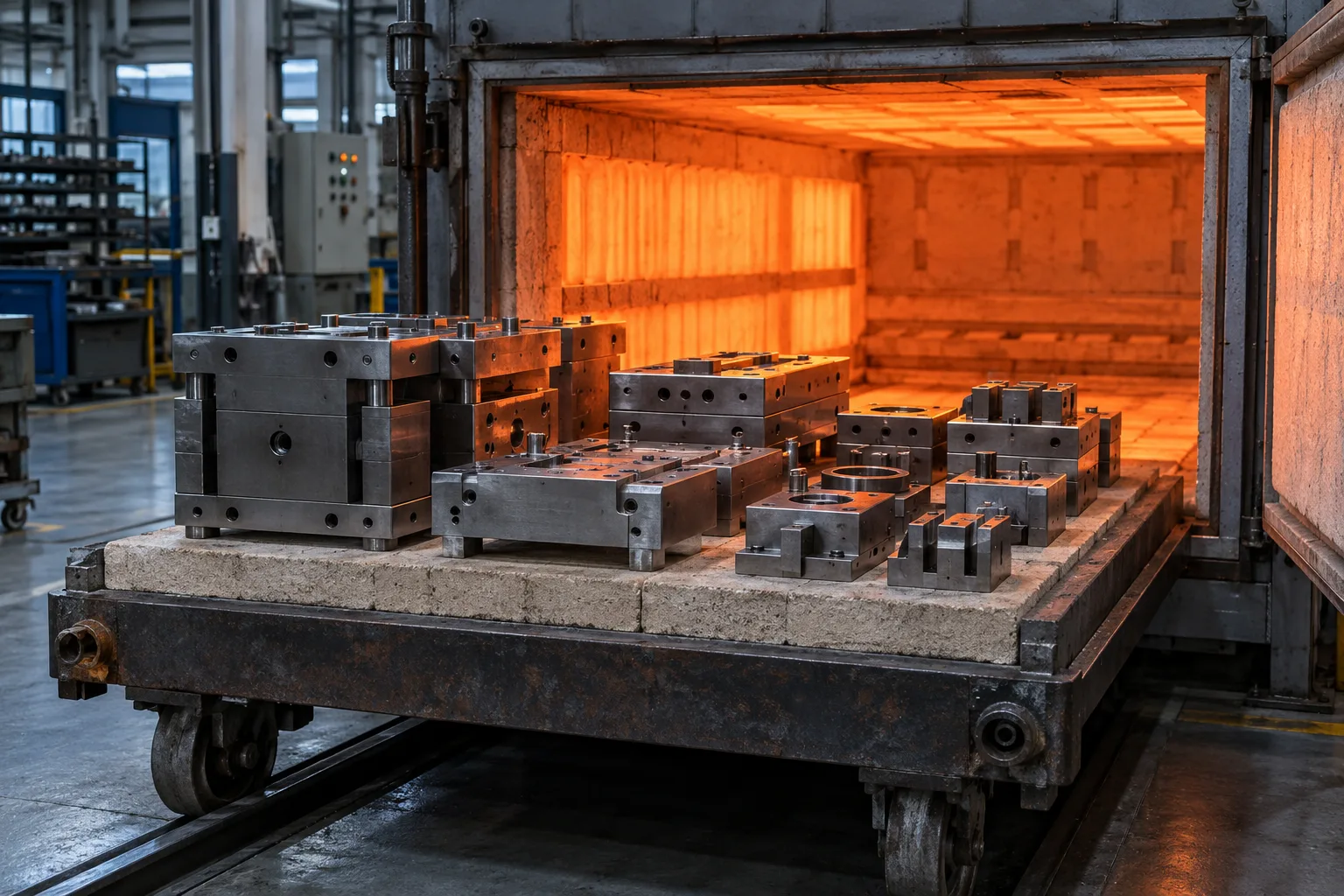
Subcritical Annealing
Subcritical annealing heats suitable material below its critical transformation temperature. It can reduce hardness or residual stress without a full phase transformation.
Typical benefits
Better machinability and stress reduction with controlled structural change.
Applications and quality control
Suitable applications are confirmed during job review. Controls may include documented cycle planning, temperature and atmosphere monitoring, hardness testing, metallurgical examination, traceability and final verification as required.
Discuss Subcritical Annealing →